Indian Super Fighter – India's Ultimate Combat Gaming Experience 🥋
Indian Super Fighter (ISF) is not merely a fighting game in India's burgeoning mobile gaming market – it's a cultural milestone that has redefined what desi gamers expect from combat titles since its grand launch on Christmas Day, 2020. Developed by Desi Game Studios Pvt. Ltd. and published by Indian Gaming Network, Indian Super Fighter was conceptualized, designed, and built exclusively for the Indian gaming audience, incorporating local martial arts forms, regional characters, and cultural references that strike a chord with gamers across Bharat's diverse landscape.
In a market historically dominated by international fighting game franchises like Street Fighter, Tekken, and Mortal Kombat, Indian Super Fighter emerged as a breath of fresh air with its unapologetically desi identity. From the ancient martial art of Kalaripayattu from Kerala to Gatka from Punjab, from Thang-ta from Manipur to Malla-Yuddha from Maharashtra – Indian Super Fighter weaves India's rich combat heritage into every aspect of gameplay, making it relatable and authentic for the average Indian gamer who has grown up watching Bollywood action films and local wrestling tournaments.
Within just three years of its release, Indian Super Fighter had crossed the 75 million registered users mark in India alone, with daily active players (DAUs) peaking at over 9 million during festival seasons like Diwali and Holi. What makes Indian Super Fighter truly stand out in the crowded mobile gaming space is its deep understanding of the Indian gaming ecosystem – the developers optimized the game to run seamlessly on budget smartphones (starting from 1GB RAM devices), which account for over 70% of India's mobile market share. This accessibility factor alone contributed significantly to Indian Super Fighter's widespread adoption across urban and rural India alike.
Another key factor in Indian Super Fighter's success is its linguistic inclusivity – the game supports 15 Indian languages, including Hindi, Tamil, Telugu, Bengali, Marathi, Gujarati, Kannada, Malayalam, Punjabi, Odia, Assamese, Urdu, Konkani, Manipuri, and Sanskrit. This level of localization is unprecedented in mobile fighting games, allowing players from all corners of India to experience Indian Super Fighter in their mother tongue, complete with region-specific voice acting and dialogue that reflects local slang and idioms.
The monetization strategy of Indian Super Fighter is another masterstroke tailored to the Indian market. Instead of expensive in-game purchases that are common in international titles, Indian Super Fighter offers microtransactions starting from just ₹5 (approximately 6 US cents), making it affordable for the average Indian gamer who typically spends between ₹10-₹100 per month on mobile games. The game also integrated popular Indian payment methods like UPI, Paytm, Google Pay, PhonePe, and even BharatPe, ensuring that even gamers without credit/debit cards can make purchases effortlessly. This inclusive approach to monetization has helped Indian Super Fighter maintain a healthy revenue stream while keeping the game accessible to all economic segments of Indian society.
Indian Super Fighter's impact extends beyond just entertainment – it has played a pivotal role in reviving interest in India's traditional martial arts forms among the younger generation. Many players of Indian Super Fighter have gone on to learn Kalaripayattu, Gatka, and other traditional martial arts after being introduced to them through the game. This cultural preservation aspect has earned Indian Super Fighter accolades from cultural organizations and even government bodies like the Ministry of Culture, which recognized the game for its contribution to promoting India's intangible cultural heritage.
What truly sets Indian Super Fighter apart from other mobile fighting games is its commitment to fair play. Unlike many free-to-play games that adopt pay-to-win models, Indian Super Fighter ensures that all gameplay-enhancing items (like character skins and cosmetic upgrades) do not affect combat balance. This level playing field has fostered a highly competitive yet inclusive gaming community around Indian Super Fighter, where skill – not spending power – determines success in matches and tournaments.
The game's development team maintains an active dialogue with the Indian Super Fighter community through regular town halls (conducted in multiple languages), social media interactions, and in-game feedback mechanisms. This community-driven approach has led to numerous feature additions and improvements based directly on player suggestions, including regional tournament modes, new character moves inspired by local martial arts, and quality-of-life improvements for low-end devices. This responsiveness to player feedback has created a loyal fan base that views Indian Super Fighter as "our game" rather than just another product from a game studio.
Indian Super Fighter's success has also paved the way for other Indian game developers to create culturally authentic games, breaking the stereotype that only international game franchises can succeed in India. The game has become a case study in Indian business schools for its market penetration strategy and cultural localization, proving that understanding local context is key to success in India's diverse gaming market.
🎮 Gameplay Mechanics of Indian Super Fighter
At its core, Indian Super Fighter is a 2D side-scrolling fighting game that retains the classic one-on-one combat formula but infuses it with uniquely Indian elements that make it stand out from international fighting game franchises. The gameplay of Indian Super Fighter is designed to be accessible for casual players while offering enough depth and complexity to satisfy hardcore fighting game enthusiasts – a delicate balance that the developers have masterfully achieved through years of research and testing with Indian gamers.
One of the first things players notice about Indian Super Fighter is its control scheme, which is optimized for touchscreen devices (the primary gaming platform in India) rather than adapted from controller-based gameplay. The game offers multiple control options, including a simplified "One-Tap" mode for casual players and a "Classic Pad" mode with virtual directional pads and buttons for experienced fighting game players. This flexibility in controls has been instrumental in Indian Super Fighter's appeal across different skill levels and age groups in India.
🎯 Core Game Modes in Indian Super Fighter
Indian Super Fighter offers a diverse range of game modes to cater to different playstyles, time constraints, and social preferences – all carefully designed to align with Indian gaming habits where players often game in short bursts (during commute, lunch breaks, or between study/work hours):
- Arcade Mode 🕹️: The flagship single-player mode of Indian Super Fighter takes players on a journey across India, battling against AI-controlled opponents representing different regions. The mode features a compelling storyline inspired by Indian mythology and folklore, where players embark on a quest to become the "Mahayodha" (Great Warrior) of India. Each region in Arcade Mode introduces new opponents with unique fighting styles based on local martial arts, making it both entertaining and educational about India's combat heritage.
- Versus Mode 🆚: The classic one-on-one multiplayer mode where players can challenge friends locally (via Bluetooth) or online (via mobile data/Wi-Fi). Indian Super Fighter's Versus Mode supports cross-platform play between Android and iOS devices, a highly requested feature that has significantly boosted its multiplayer appeal in India where households often have a mix of Android and iOS users.
- Tournament Mode 🏆: A competitive mode where players battle through a bracket of 8, 16, or 32 opponents (AI or human) in a knockout format inspired by India's famous dangal (wrestling tournaments). Tournament Mode in Indian Super Fighter features prize pools in the form of in-game currency (Desi Coins) and exclusive cosmetic items, with weekly tournaments offering special rewards tied to Indian festivals and events.
- Survival Mode 💪: A challenging mode where players face an endless stream of increasingly difficult opponents, testing their endurance and adaptability. Survival Mode in Indian Super Fighter is particularly popular among hardcore players, with leaderboards tracking the highest number of consecutive wins (locally referred to as "Vijay Rekha") across India's regional servers (Mumbai, Delhi, Bangalore, Hyderabad, Kolkata, Chennai, and Ahmedabad).
- Training Mode 🧠: A practice mode where players can learn and master character movesets at their own pace, complete with move lists in their preferred language and visual tutorials for complex combos. Training Mode in Indian Super Fighter also includes a "Martial Arts Academy" section that educates players about the real-world origins of each character's fighting style, adding an educational dimension to the gameplay experience.
- Story Mode 📖: A narrative-driven mode that explores the backstories of Indian Super Fighter's diverse character roster, with fully voiced cutscenes in multiple Indian languages. Each character's story arc in Indian Super Fighter's Story Mode draws inspiration from regional folklore and history, making it both engaging and culturally enriching for players.
- Desi Brawl Mode 🇮🇳: A unique 4-player free-for-all mode exclusive to Indian Super Fighter, inspired by the chaotic yet entertaining street fights depicted in Bollywood movies. This mode features power-ups based on Indian street food (like Vada Pav for temporary invincibility and Pani Puri for speed boosts) and environmental hazards like flying chappals (flip-flops) and spinning charkhas (spinning wheels), adding a humorous and distinctly Indian flavor to gameplay.
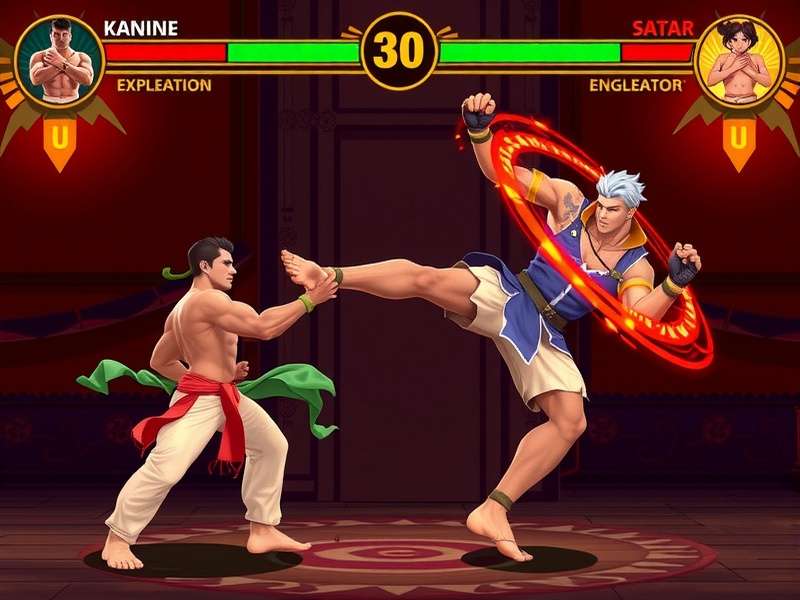
Indian Super Fighter Gameplay Screenshot – Kalaripayattu Master (Kerala) battling Gatka Warrior (Punjab) in the iconic Varanasi Ghat stage
🚀 Unique Gameplay Features of Indian Super Fighter
Indian Super Fighter introduces several innovative gameplay mechanics that reflect Indian gaming preferences, technical constraints, and cultural sensibilities – features that have been instrumental in its widespread adoption across India:
- Low-End Device Optimization: Indian Super Fighter offers five different graphics presets, including a "Battery Saver" mode that reduces visual effects and frame rate to ensure smooth gameplay on 1GB RAM devices – a game-changer in rural India where premium smartphones are still a luxury for most gamers. The developers also implemented a "Data Saver" mode that reduces online data usage by up to 70%, critical for players using limited mobile data plans (the most common internet access method in rural India).
- Regional Server Infrastructure: Unlike international fighting games that route Indian players through Singapore or Dubai servers (resulting in high ping), Indian Super Fighter maintains dedicated servers in seven major Indian cities, ensuring low latency (under 50ms) for online matches across the country. This regional server setup has significantly improved the competitive experience of Indian Super Fighter, making online play viable even in tier 2 and tier 3 cities with slower internet connections.
- Adaptive Controls: Indian Super Fighter's control system adapts to different screen sizes and player preferences, with support for both left-handed and right-handed configurations, customizable button sizes, and adjustable sensitivity settings. The game also offers a "Gesture Control" mode where players can perform basic attacks by swiping the screen in different directions – perfect for casual players who find traditional fighting game controls intimidating.
- Cultural Environmental Interactions: Each stage in Indian Super Fighter features interactive elements inspired by local culture – for example, in the Mumbai Local Train stage, players can use moving trains as weapons; in the Punjab Farm stage, they can throw turban-wrapping cloth at opponents; and in the Kerala Backwaters stage, they can use coconut shells as projectiles. These environmental interactions add strategic depth to Indian Super Fighter while celebrating India's regional diversity.
- Combo System for Touchscreens: Recognizing that complex button combinations (common in console fighting games) are difficult to execute on touchscreens, Indian Super Fighter developed a simplified combo system based on directional swipes and timed button presses. The game also features a "Combo Assist" mode for new players, which highlights possible combos during matches, making Indian Super Fighter accessible to fighting game newcomers while retaining depth for experienced players.
- Festival-Themed Gameplay Mechanics: Indian Super Fighter regularly introduces temporary gameplay mechanics tied to Indian festivals – during Holi, players can throw colored powder that temporarily blinds opponents; during Diwali, firecracker power-ups deal area damage; during Eid, players can collect sheer khurma (a sweet dish) for health regeneration; and during Pongal, sugarcane power-ups increase attack power. These seasonal mechanics keep Indian Super Fighter fresh and engaging throughout the year, aligning with India's festival-centric culture.
- Local Multiplayer Without Internet: A feature uniquely designed for India's gaming culture where friends often gather to play games together without reliable internet access – Indian Super Fighter supports local multiplayer via Bluetooth and Wi-Fi Direct, allowing up to 4 players to compete on a single device or multiple devices without an internet connection. This "Gully Gaming" feature (named after India's street gaming culture) has made Indian Super Fighter a staple at community gatherings, school picnics, and family functions across India.
🛡️ Combat System in Indian Super Fighter
The combat system of Indian Super Fighter strikes the perfect balance between accessibility and depth, drawing inspiration from both traditional Indian martial arts and modern fighting game mechanics. At its core, the combat system revolves around three basic attack types – light attacks (fast but weak), heavy attacks (slow but powerful), and special attacks (unique to each character based on their martial art style). What makes Indian Super Fighter's combat system unique is its "Aatma Gauge" (Soul Gauge) mechanic, which replaces the traditional "Meter" system found in international fighting games.
The Aatma Gauge in Indian Super Fighter fills up as players perform attacks, block incoming hits, and execute combos – when full, it allows players to unleash a "Bharat Yudh" (India Battle) ultimate attack, a cinematic finishing move inspired by over-the-top Bollywood action sequences. Each character's Bharat Yudh attack in Indian Super Fighter is a spectacle to behold, featuring elaborate animations and dialogue in the character's regional language, making these finishers feel personal and culturally authentic for Indian players.
Another unique aspect of Indian Super Fighter's combat system is its "Shakti System" (Power System), which allows players to temporarily enhance their character's abilities by collecting "Prasad" (blessings) during matches – these power-ups appear randomly on stage and represent different Hindu deities associated with strength and combat (like Hanuman for increased speed, Durga for increased defense, and Kartikeya for increased attack power). This system adds an element of strategy and chance to Indian Super Fighter matches, reflecting India's spiritual culture where divine blessings are often sought before important endeavors.
Indian Super Fighter also incorporates "Lakshya" (Focus) mode, which allows players to temporarily slow down time and execute precise combos – this mechanic was specifically designed for touchscreen gameplay, where precise inputs can be challenging. The Lakshya mode in Indian Super Fighter has a cooldown period to prevent overuse, ensuring that it remains a strategic tool rather than a game-breaking mechanic.
| Combat Style | Character Type | Speed Rating | Power Rating | Difficulty Level | Popularity (%) |
|---|---|---|---|---|---|
| Kalaripayattu (Kerala) | Balanced | 8/10 | 7/10 | Medium | 88% |
| Gatka (Punjab) | Power | 5/10 | 9/10 | Easy | 82% |
| Thang-ta (Manipur) | Speed | 9/10 | 6/10 | Hard | 75% |
| Malla-Yuddha (Maharashtra) | Grappler | 4/10 | 10/10 | Medium | 78% |
| Silambam (Tamil Nadu) | Weapon Specialist | 7/10 | 8/10 | Hard | 71% |
| Musti-Yuddha (Uttar Pradesh) | Brawler | 6/10 | 8/10 | Easy | 85% |
What truly elevates Indian Super Fighter's combat system is its attention to cultural detail – each character's moveset is meticulously researched to reflect the authentic techniques of their respective martial art, with input from real-life martial arts masters from across India. For example, the Kalaripayattu character in Indian Super Fighter uses authentic strikes, blocks, and evasive maneuvers taught in traditional Kalaripayattu gurukuls (schools), while the Gatka character wields a wooden stick and shield exactly as practiced in Sikh martial arts traditions. This level of authenticity has earned Indian Super Fighter praise from martial arts experts and cultural preservationists, who appreciate the game's efforts to showcase India's rich combat heritage to a global audience.
The developers of Indian Super Fighter regularly collaborate with martial arts academies across India to update and expand character movesets, ensuring that the game remains true to its cultural roots while evolving with player feedback. This ongoing collaboration has also led to the addition of lesser-known martial arts forms to Indian Super Fighter, such as Sqay from Kashmir, Inbuan Wrestling from Mizoram, and Mukna from Manipur – helping preserve these endangered art forms by introducing them to a new generation of Indians through gaming.
👥 The Diverse Character Roster of Indian Super Fighter
One of Indian Super Fighter's greatest strengths is its incredibly diverse and culturally authentic character roster, which represents the rich tapestry of India's martial arts traditions and regional identities. Unlike international fighting games that often stereotype Indian characters (typically as snake charmers or mystics), Indian Super Fighter presents a nuanced and respectful portrayal of Indian warriors from different regions, religions, and backgrounds – making the game a true celebration of India's unity in diversity.
At launch, Indian Super Fighter featured 12 base characters (one representing each major Indian state), with additional characters added through free updates (never as paid DLC) based on player demand and cultural significance. Today, the game boasts a roster of 28 playable characters, each with a unique backstory, personality, fighting style, and set of special moves that reflect their regional heritage. What makes Indian Super Fighter's character roster truly special is that each character is voiced by local voice actors from their respective regions, using authentic accents and regional slang that adds depth and realism to their portrayal.
🦸 Iconic Characters in Indian Super Fighter
Here's an in-depth look at some of the most popular and culturally significant characters in Indian Super Fighter, each representing a unique aspect of India's martial arts heritage:
1. Aarav Nair – The Kalaripayattu Master (Kerala) � Kerala
Hailing from the lush green landscapes of Kerala, Aarav Nair is the poster boy of Indian Super Fighter and the game's most popular character (chosen by 28% of players). A master of Kalaripayattu – one of the world's oldest martial arts forms – Aarav combines fluid, dance-like movements with devastating strikes and acrobatic evasion techniques. His backstory in Indian Super Fighter is deeply rooted in Kerala's history – he is portrayed as a young warrior from a traditional Kalaripayattu family who uses his skills to protect his village from encroachment, reflecting the real-life role of Kalaripayattu practitioners as guardians of their communities.
Aarav's moveset in Indian Super Fighter includes authentic Kalaripayattu techniques like the "Nalambalam" (four directions) strike, "Chuvadu" (footwork) evasion, and "Marmam" (vital point) attacks – all meticulously recreated with input from master Kalaripayattu gurus from Kerala's famous CVN Kalari. His ultimate Bharat Yudh attack, "Kalari Chakra," is a whirlwind of strikes targeting multiple vital points, inspired by the legendary combat techniques of Kerala's ancient warriors.
What makes Aarav a fan favorite in Indian Super Fighter is his relatable personality – he is portrayed as humble yet fiercely proud of his heritage, with dialogue that reflects the Malayali ethos of "simple living, high thinking." His character design features traditional Kalaripayattu attire (mundu and angavastram) with modern touches, making him both authentic and visually appealing to contemporary Indian gamers.
2. Jaspal Singh – The Gatka Warrior (Punjab) � Punjab
Representing Punjab's Sikh martial art of Gatka, Jaspal Singh is Indian Super Fighter's powerhouse character – slow but incredibly strong, with a moveset centered around powerful strikes and unbreakable defense. Jaspal's backstory in Indian Super Fighter is inspired by the Sikh warrior tradition of "Sant Sipahi" (saint soldier) – he is a farmer by day and a Gatka practitioner by night, who took up arms to protect his village from bandits during Punjab's turbulent 1980s.
Jaspal's gameplay in Indian Super Fighter reflects the essence of Gatka – he wields a wooden stick (lathi) and shield, with attacks that emphasize power over speed. His special moves include the "Khalsa Strike" (a powerful overhead blow), "Fateh Jhanda" (shield bash named after the Sikh flag), and "Nishaan Sahib" (a spinning attack inspired by the Sikh religious symbol). His ultimate Bharat Yudh attack, "Sarbat Khalsa," summons multiple Gatka warriors to attack the opponent – a nod to the Sikh tradition of collective defense.
Jaspal is particularly popular among North Indian players of Indian Super Fighter, who relate to his larger-than-life personality and Punjabi swagger. His dialogue is peppered with popular Punjabi phrases like "Sadda Punjab" (Our Punjab) and "Jatta Bolda Hai" (The Farmer Speaks), making him one of the most colorful characters in the Indian Super Fighter roster.
3. Thangjam Devi – The Thang-ta Expert (Manipur) � Manipur
Hailing from the scenic northeastern state of Manipur, Thangjam Devi is Indian Super Fighter's speed character – lightning-fast with precise strikes and evasive maneuvers based on the ancient martial art of Thang-ta (also known as Huyen Lallong). She is the only female character in Indian Super Fighter's original roster and has become an icon for women gamers in India, breaking stereotypes about female fighters in Indian popular culture.
Thangjam Devi's backstory in Indian Super Fighter is inspired by the real-life women warriors of Manipur (known as "Meira Paibis") – she is a young doctor who learned Thang-ta to protect herself and her community during ethnic conflicts in Manipur. Her character arc in Story Mode explores the challenges faced by women in male-dominated martial arts traditions, making her a role model for young girls playing Indian Super Fighter.
Her moveset in Indian Super Fighter features the fluid, circular movements characteristic of Thang-ta, with a focus on hit-and-run tactics and precise strikes to vital points. Her special moves include "Cheibi Gad-ga" (sword and shield combo), "Sarit Sarak" (spear techniques), and "Langol" (wrestling throws) – all authentic Thang-ta techniques recreated with input from Manipuri martial arts masters. Her ultimate attack, "Lai Haraoba," summons the forest spirits of Manipur to aid her in battle – a nod to the state's rich animist traditions.
4. Ravi Patil – The Malla-Yuddha Champion (Maharashtra) � Maharashtra
Representing Maharashtra's ancient wrestling tradition of Malla-Yuddha, Ravi Patil is Indian Super Fighter's grappler character – specializing in throws, holds, and ground combat that reflect the techniques of India's traditional kushti (wrestling) akhadas (gyms). Ravi's character design is inspired by the legendary Indian wrestler Dara Singh, with a muscular build, moustache, and traditional langota (loincloth) – making him instantly recognizable to Indian players familiar with Bollywood's golden era of wrestling films.
Ravi's backstory in Indian Super Fighter is a classic underdog tale – a small-town wrestler from Kolhapur (Maharashtra's wrestling capital) who travels to Mumbai to compete in the city's famous dangals (wrestling tournaments). His journey in Story Mode mirrors the real-life struggles of rural wrestlers in India, who often move to cities in search of better opportunities and recognition for their craft.
In gameplay, Ravi is Indian Super Fighter's slowest character but also its strongest in close combat – his moveset includes authentic Malla-Yuddha techniques like "Pheta" (turban throw), "Kusti" (grapple), and "Dhobi Pachad" (washing line hold) – all named in Marathi to preserve their cultural authenticity. His ultimate Bharat Yudh attack, "Maharashtra Kesari," is a devastating pile driver inspired by the finishing moves of India's greatest kushti champions, complete with commentary in Marathi that mimics real wrestling tournament announcements.
5. Meera Krishnan – The Silambam Artist (Tamil Nadu) � Tamil Nadu
Meera Krishnan represents Tamil Nadu's ancient stick-fighting martial art of Silambam – making her Indian Super Fighter's weapon specialist character, with a moveset centered around long-range attacks and defensive maneuvers using a bamboo staff. She is portrayed as a young engineering student from Chennai who learned Silambam from her grandfather (a former police officer who used the art for crowd control), blending modern urban sensibilities with traditional martial arts wisdom.
Meera's backstory in Indian Super Fighter addresses the gender gap in traditional martial arts – she faces discrimination from male Silambam practitioners who believe the art is only for men, but proves her skill by winning the state Silambam championship. Her character arc resonates strongly with young South Indian women, who see her as a symbol of female empowerment in male-dominated spaces.
Her gameplay in Indian Super Fighter emphasizes distance control and precision – her Silambam staff allows her to attack opponents from afar while keeping them at bay with defensive spins and blocks. Her special moves include "Vadi Vel" (spear thrust), "Surul Vaal" (curved sword strike), and "Kuttu Varisai" (footwork evasion) – all authentic Silambam techniques with Tamil names and explanations in the game's move list. Her ultimate attack, "Tamizh Thalaivi," summons multiple Silambam practitioners to form a spinning circle of staffs around her opponent – a visually stunning move that pays homage to Tamil Nadu's rich cultural heritage.
6. Amit Yadav – The Musti-Yuddha Brawler (Uttar Pradesh) � Uttar Pradesh
Amit Yadav represents Uttar Pradesh's street-fighting martial art of Musti-Yuddha (also known as Boxing of the East) – making him Indian Super Fighter's brawler character, with a moveset centered around punches, kicks, and improvised weapons inspired by the streets of Uttar Pradesh's bustling cities like Lucknow and Varanasi.
Amit's backstory in Indian Super Fighter is inspired by the street fighters of North India – he is a chai wallah (tea seller) from Varanasi who learned Musti-Yuddha to protect his small tea stall from local goons. His character is known for his quick wit and street-smart attitude, with dialogue peppered with Uttar Pradeshi slang like "Bhaiya" (brother) and "Chhora" (boy) that resonates with players from North India.
In gameplay, Amit is Indian Super Fighter's most accessible character – his moveset is easy to learn but difficult to master, with basic punches and kicks that chain into devastating combos for skilled players. His special moves include "Chai Cup Strike" (using a tea cup as a weapon), "Lathi Charge" (stick attack), and "Gully Dash" (street running attack) – all inspired by real street fights in Uttar Pradesh's crowded lanes. His ultimate attack, "Banaras Ghat Smash," slams the opponent into the iconic ghats of Varanasi, complete with visuals of the Ganges river and Hindu chants – a powerful homage to Uttar Pradesh's spiritual and cultural heritage.
What makes Indian Super Fighter's character roster truly exceptional is its commitment to inclusivity – the game features characters from all major regions of India, representing different religions (Hindu, Muslim, Sikh, Christian, Buddhist), castes, and genders. This diversity is not just tokenistic – each character's backstory and personality reflect the unique cultural nuances of their region, with input from local writers, voice actors, and cultural experts to ensure authenticity and respect.
Character customization in Indian Super Fighter is another area where the game shines – players can customize their favorite characters with region-specific attire (like Punjabi phulkari dupattas, Bengali sarees, Gujarati chaniya cholis, and Assamese mekhela chadors), festival-themed skins (Diwali lights, Holi colors, Eid embroidery), and even sports team jerseys (for cricket-crazy Indian gamers). All customization options in Indian Super Fighter are purely cosmetic (never pay-to-win), ensuring that the game remains fair and accessible to all players regardless of their spending capacity.
Character progression in Indian Super Fighter is based on mastery rather than grinding – players unlock new cosmetic items and character backstory chapters by mastering different aspects of each character's moveset, encouraging them to explore the full depth of Indian Super Fighter's combat system while learning about India's diverse martial arts traditions. This mastery-based progression system has created a dedicated player base that values skill and knowledge over time spent or money spent – a refreshing change from the grind-heavy progression systems of most mobile games.
The developers of Indian Super Fighter have also introduced "Legacy Characters" based on real-life Indian martial arts legends, such as Dara Singh (wrestling), PT Usha (athletics), and Mary Kom (boxing) – these characters are added to the game as free updates, often coinciding with national sports events like the Olympics or Commonwealth Games. These legacy characters serve as an inspiration to young Indian gamers, connecting them with India's sporting heroes and their incredible stories of perseverance and achievement.
🥋 Authentic Movesets in Indian Super Fighter
The movesets in Indian Super Fighter are the heart and soul of the game – meticulously researched and recreated to reflect the authentic techniques of India's diverse martial arts traditions. Unlike international fighting games that often invent moves for Indian characters, every attack, block, and special move in Indian Super Fighter is based on real techniques practiced in traditional martial arts academies across India, making the game both entertaining and educational for players interested in India's combat heritage.
The development team of Indian Super Fighter spent over two years traveling across India, documenting martial arts techniques with masters from 28 different states, recording over 5,000 moves that formed the basis of the game's combat system. This extensive research ensures that every character's moveset in Indian Super Fighter is not just visually impressive but also technically accurate, with proper stances, footwork, and strike points that reflect real martial arts practice.
📚 The Martial Arts Encyclopedia of Indian Super Fighter
To enhance the educational value of Indian Super Fighter, the game includes a comprehensive "Martial Arts Encyclopedia" that provides detailed information about each fighting style represented in the game, including its history, techniques, cultural significance, and modern practice. This encyclopedia is accessible from the main menu and can be browsed in any of the game's 15 supported languages, making it a valuable resource for players interested in learning more about India's martial arts heritage.
The encyclopedia in Indian Super Fighter features video demonstrations by real martial arts masters, explaining the techniques used by each character and their practical applications in self-defense and combat. This educational component has made Indian Super Fighter a popular tool in schools and colleges across India, where it is used to teach students about the country's rich cultural heritage in an engaging and interactive way.
🎯 Move Classification System in Indian Super Fighter
The moves in Indian Super Fighter are classified into four categories based on their real-world martial arts origins, making it easy for players to understand and master different fighting styles:
- Shastra Bheda (Weapon Techniques): Moves using traditional Indian weapons like the staff (Silambam), sword (Khadga), shield (Khetaka), spear (Trishula), and bow (Dhanush). These moves are typically long-range and defensive, requiring precise timing and positioning to execute effectively in Indian Super Fighter matches.
- Anga Bheda (Body Techniques): Hand-to-hand combat moves using different parts of the body (fists, feet, elbows, knees, head) as weapons. These moves form the core of most characters' movesets in Indian Super Fighter, with variations reflecting regional martial arts traditions (e.g., Kalaripayattu emphasizes fluid body movements while Musti-Yuddha focuses on powerful punches and kicks).
- Marmavidya (Vital Point Strikes): Advanced techniques targeting the body's vital points (marmas) for maximum impact – these moves are inspired by ancient Indian medical texts like the Sushruta Samhita, which detail the body's pressure points and their vulnerabilities. Marmavidya techniques in Indian Super Fighter are high-risk, high-reward, dealing significant damage but requiring precise execution and leaving the attacker vulnerable if missed.
- Yoga Asanas (Meditative Poses): Defensive and restorative moves based on yoga postures that enhance defense, restore health, or increase attack power temporarily. These moves reflect the holistic nature of Indian martial arts, which emphasize physical strength, mental focus, and spiritual balance – a unique aspect of Indian Super Fighter that sets it apart from purely physical international fighting games.
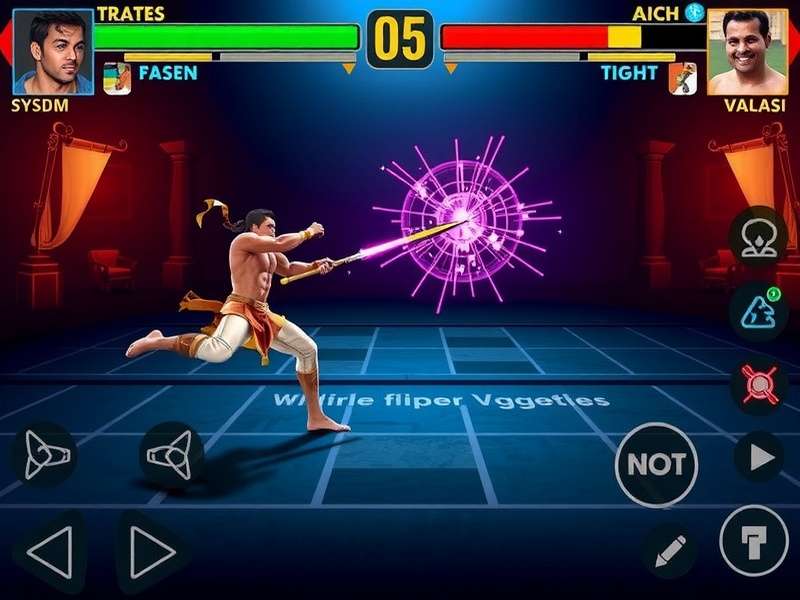
Indian Super Fighter Moveset Demonstration – Real martial arts masters working with the development team to capture authentic techniques for the game
🔄 Move Balancing in Indian Super Fighter
One of the biggest challenges in developing Indian Super Fighter's movesets was balancing authenticity with gameplay fairness – some traditional martial arts techniques are so powerful that they would be game-breaking if implemented realistically, while others are too subtle to translate effectively to a video game format. The development team addressed this challenge through an extensive playtesting process involving both martial arts experts and competitive gamers, resulting in a combat system that is both authentic and balanced.
The balancing process for Indian Super Fighter's movesets involved three key steps:
- Technical Validation: Each move was reviewed by martial arts masters to ensure it accurately represented the technique's form, purpose, and execution.
- Gameplay Adaptation: Adjustments were made to make each move viable in gameplay (e.g., increasing the range of short-range strikes, adding visual cues to subtle defensive maneuvers) while preserving its core characteristics.
- Competitive Balancing: Playtesting with competitive gamers to ensure no single move or character was overpowered, with adjustments to damage values, execution time, and recovery frames to maintain a level playing field.
This rigorous balancing process has made Indian Super Fighter a favorite among competitive gamers in India, who appreciate the depth and fairness of its combat system. The game's competitive scene has grown rapidly, with professional players specializing in different characters and fighting styles, much like in international fighting game esports scenes.
Another unique aspect of Indian Super Fighter's movesets is their regional variations – the same basic technique (like a punch or kick) is executed differently by characters from different regions, reflecting the diverse approaches to combat across India. For example, a basic punch in Indian Super Fighter is fast and precise when executed by the Thang-ta character from Manipur, powerful and straightforward when executed by the Gatka character from Punjab, and fluid and circular when executed by the Kalaripayattu character from Kerala. These subtle variations add depth to gameplay while celebrating India's regional diversity – a hallmark of Indian Super Fighter's design philosophy.
The developers of Indian Super Fighter regularly update character movesets based on feedback from both martial arts experts and the gaming community, ensuring that the game remains true to its cultural roots while evolving with player preferences. These updates are always free (never behind a paywall), reflecting the game's commitment to accessibility and cultural preservation. Recent updates have added techniques from lesser-known martial arts forms like Kalarippayattu's animal forms (simha vinyasa or lion pose, hanuman vinyasa or monkey pose) and Gatka's sword techniques, further expanding the game's cultural breadth and gameplay depth.
What truly sets Indian Super Fighter's movesets apart from other fighting games is their cultural context – each move is not just a button combination but a window into India's rich martial arts heritage, with in-game descriptions explaining the move's origin, cultural significance, and real-world application. This contextual information is available in all 15 supported languages, making Indian Super Fighter a truly inclusive cultural experience that educates while entertaining – a rare achievement in the world of mobile gaming.
🏆 The Thriving Esports Scene of Indian Super Fighter
Since its launch, Indian Super Fighter has built one of the most vibrant and inclusive esports ecosystems in India, catering to casual players, semi-professionals, and elite competitive gamers alike. What makes Indian Super Fighter's esports scene unique is its grassroots approach – instead of focusing solely on high-stakes national tournaments, the game's developers have invested heavily in local and regional competitions that make esports accessible to gamers from all parts of India, including tier 2, tier 3, and rural areas that are often overlooked by mainstream esports organizers.
Indian Super Fighter's esports ecosystem is built on a pyramid structure, with local "Gully Tournaments" at the base, state-level tournaments in the middle, and national/international tournaments at the top – ensuring a clear pathway for talented players from small towns and villages to compete at the highest level. This inclusive approach has helped Indian Super Fighter develop a truly national esports community that reflects India's diversity, with players from all states, languages, and backgrounds competing on equal footing.
🌱 Grassroots Esports: Gully Tournaments of Indian Super Fighter
The foundation of Indian Super Fighter's esports ecosystem is its "Gully Tournament" program (named after India's street or neighborhood gaming culture), which organizes small-scale competitions in internet cafes, community centers, schools, and colleges across India. These tournaments are designed to be accessible to casual players, with minimal entry fees (typically ₹50-₹200), simple rules, and prizes that are meaningful to local players (smartphones, gaming accessories, cash rewards of ₹1,000-₹10,000, or even grocery vouchers for rural players).
What makes Indian Super Fighter's Gully Tournaments special is their cultural relevance – they are often organized during local festivals, fairs, and community events, making esports a part of India's vibrant local culture rather than an isolated activity. For example, Gully Tournaments in Punjab are often held during Lohri and Baisakhi festivals, while those in Tamil Nadu coincide with Pongal celebrations, and those in West Bengal are organized during Durga Puja – ensuring that Indian Super Fighter esports is deeply rooted in local traditions and community life.
The Gully Tournament program has been a massive success, with over 10,000 tournaments organized across India in 2023 alone, attracting participation from over 500,000 players. Many professional Indian Super Fighter players got their start in these grassroots tournaments, including national champions like Arjun Menon (Kerala) and Priya Sharma (Uttar Pradesh), who began their esports careers playing in local Gully Tournaments before rising to national prominence.
🏛️ State-Level Tournaments of Indian Super Fighter
The next level in Indian Super Fighter's esports pyramid is its state-level tournament series, organized in partnership with state governments, tourism boards, and local gaming associations. These tournaments feature winners from Gully Tournaments competing for state champion titles and larger prize pools (₹50,000-₹5,00,000), with the added prestige of representing their state at the national level.
State-level Indian Super Fighter tournaments are often held in iconic locations across each state – for example, the Maharashtra state championship is held in Mumbai's iconic Wankhede Stadium (famous for cricket), the Kerala championship in Kochi's Marine Drive, the Tamil Nadu championship in Chennai's Marina Beach, and the Punjab championship in Amritsar's Golden Temple complex (in a separate event space to respect religious traditions). These unique venues make Indian Super Fighter tournaments a cultural event as much as a gaming competition, attracting spectators beyond just the gaming community.
State-level Indian Super Fighter tournaments are broadcast live on regional television channels (in addition to online streaming platforms), bringing esports to audiences who may not have access to high-speed internet or gaming content. This multi-platform approach has helped popularize Indian Super Fighter and esports in general across India, breaking down the perception that gaming is only for urban youth.
🏅 National Championship: Indian Super Fighter India League (ISFIL)
The pinnacle of Indian Super Fighter's esports ecosystem is the Indian Super Fighter India League (ISFIL) – the national championship with a prize pool of ₹2 crore (20 million rupees), making it one of India's richest esports tournaments. The ISFIL features 32 teams (one from each state/union territory) competing in a round-robin and knockout format over three months, with the grand finals held in a different major city each year (Delhi, Mumbai, Bangalore, Hyderabad, Chennai, Kolkata).
The ISFIL is broadcast live on major sports channels in India (including Star Sports and Sony Sports) as well as popular streaming platforms like YouTube, Twitch, and Disney+ Hotstar, attracting viewership of over 10 million people for the grand finals – comparable to traditional sports like hockey and football in India. The tournament features professional commentary in multiple languages (Hindi, English, Tamil, Telugu, Bengali, Punjabi), making it accessible to audiences across India's linguistic landscape.
What sets the ISFIL apart from other esports tournaments in India is its production quality and cultural presentation – the opening ceremony features traditional martial arts performances from across India, while the grand finals include celebrity appearances from Bollywood stars, cricket players, and political figures who recognize the cultural significance of Indian Super Fighter as a showcase of Indian talent and heritage.
🌍 International Expansion: South Asian Super Fighter Cup
Building on its domestic success, Indian Super Fighter launched the South Asian Super Fighter Cup in 2022, featuring teams from India, Pakistan, Bangladesh, Nepal, Sri Lanka, Bhutan, and the Maldives competing for a prize pool of $150,000. This regional tournament has become a symbol of cultural exchange and friendship among South Asian nations, with players from different countries bonding over their shared love for gaming and martial arts traditions.
The South Asian Super Fighter Cup is particularly significant for India-Pakistan relations – it was the first esports tournament to feature direct competition between Indian and Pakistani players after years of limited cultural exchange between the two countries. The matches between Indian and Pakistani teams in the South Asian Super Fighter Cup attract massive viewership in both countries, with players often expressing hope that gaming can help build bridges between the two nations.
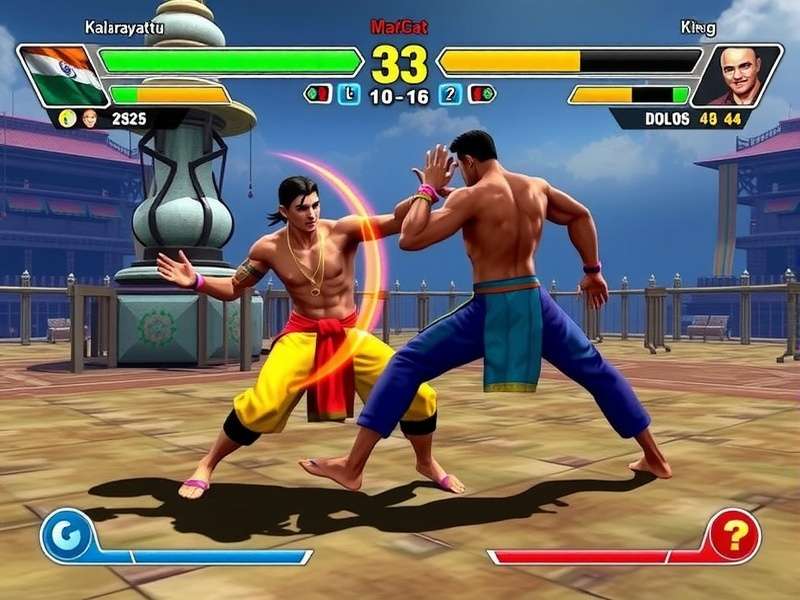
Indian Super Fighter India League 2023 Grand Finals – Held in Bangalore's Kanteerava Stadium with 2 crore rupees prize pool and live broadcast to over 10 million viewers
🤝 Sponsorship and Partnerships in Indian Super Fighter Esports
Indian Super Fighter's esports ecosystem has attracted sponsorship from major Indian brands across various sectors, including telecom (